


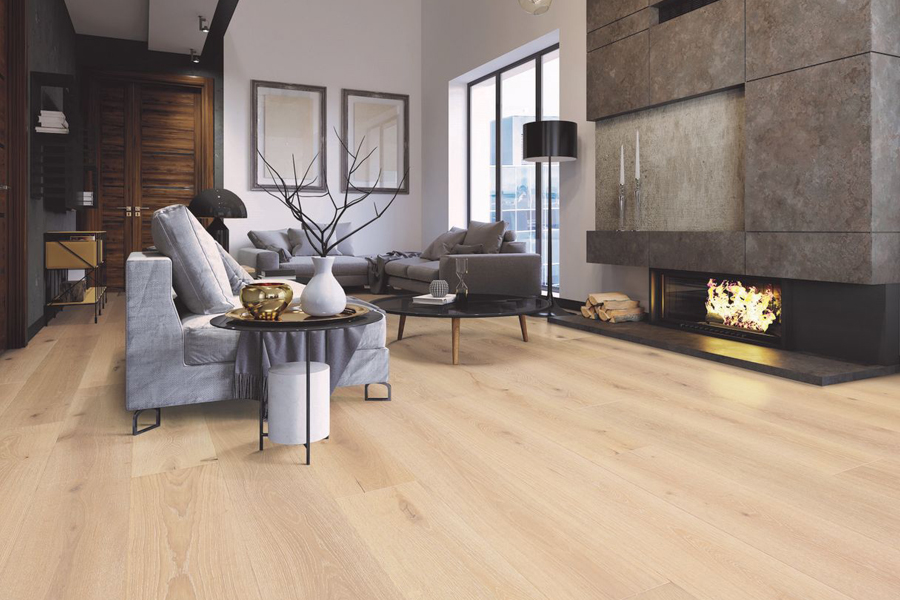
Indoor air quality plays a major role in comfort and overall well-being, especially for families with allergies, asthma, or respiratory sensitivities. In Rural Hall and throughout the NC Piedmont, homes are often sealed tightly for energy efficiency, which means indoor pollutants can linger longer. One factor many homeowners overlook is how flooring choices influence indoor air quality. At Professional Carpet Systems, we help health-minded homeowners choose flooring that supports a cleaner, healthier indoor environment.
Understanding how different flooring materials interact with dust, allergens, and moisture can help you make a smarter decision for your home.
Why Flooring Matters for Indoor Air Quality
Flooring covers a large surface area and directly affects how dust, pet dander, pollen, and other allergens are trapped—or released—into the air.
Key factors include:
Whether allergens settle on or into the flooring
How easy surfaces are to clean thoroughly
Moisture resistance and mold prevention
The presence of chemical emissions from materials
Choosing the right flooring can reduce allergen buildup and improve overall air quality.
Tile Flooring and Indoor Air Quality
Tile flooring is one of the most air-quality-friendly options for Rural Hall homes.
How Tile Supports Cleaner Air
Tile does not trap dust, pollen, or pet dander the way soft surfaces can. Allergens remain on the surface where they can be easily removed through regular cleaning.
Benefits include:
Non-porous surface that resists moisture
Easy cleaning with simple mopping
Reduced risk of mold and mildew
Tile is especially beneficial in bathrooms, kitchens, and entryways where moisture and allergens are more common.
Grout Considerations
While tile itself is low-allergen, grout should be sealed and maintained to prevent moisture absorption and mildew growth.
Natural Stone Flooring and Air Quality Benefits
Natural stone flooring shares many of the same indoor air quality advantages as tile.
Why Stone Is a Healthy Choice
Stone surfaces do not harbor allergens and are naturally resistant to mold when properly sealed.
Advantages include:
Minimal dust and allergen retention
No fibers to trap pollutants
Long lifespan with stable performance
Stone is an excellent option for homeowners who want both visual impact and improved indoor air quality.
Maintenance Matters
Sealing natural stone is essential to prevent moisture absorption, which can otherwise contribute to air quality issues.
Hardwood Flooring and Allergen Control
Hardwood flooring is another strong choice for improving indoor air quality compared to carpeted surfaces.
How Hardwood Affects Air Quality
Hardwood does not trap allergens in fibers, allowing dust and dander to be easily removed.
Key benefits include:
Smooth surface that’s easy to clean
Fewer hiding places for allergens
Improved airflow compared to soft flooring
Regular sweeping and proper humidity control help hardwood perform well in Rural Hall’s seasonal climate.
Humidity Considerations
Excess humidity can affect hardwood performance and potentially contribute to indoor air quality issues if not managed properly.
Luxury Vinyl Flooring and Indoor Air Quality
Luxury vinyl flooring has become increasingly popular for its durability and low maintenance, but air quality considerations are important.
Modern Vinyl Improvements
Many modern luxury vinyl products are designed with low-VOC materials that meet strict indoor air quality standards.
Benefits include:
Smooth, easy-to-clean surface
Resistance to moisture and mold
Improved air quality compared to older vinyl products
Choosing professionally installed, quality vinyl flooring helps minimize potential chemical emissions.
What to Look For
Homeowners should look for products with:
Low-VOC certifications
Proper installation methods
Adequate ventilation during and after installation
Moisture Control and Mold Prevention
In Rural Hall’s humid climate, moisture management plays a major role in indoor air quality regardless of flooring type.
Helpful strategies include:
Using exhaust fans in kitchens and bathrooms
Sealing stone and grout regularly
Maintaining consistent indoor humidity levels
Addressing moisture issues in crawl spaces
Flooring that resists moisture helps reduce the risk of mold and mildew growth.
Choosing the Best Flooring for a Healthier Home
For health-focused homeowners, tile, natural stone, hardwood, and quality luxury vinyl all offer advantages over traditional carpet. The best choice depends on lifestyle, room usage, and sensitivity to allergens.
A professional consultation helps balance air quality goals with design and performance needs.
Get Expert Flooring Guidance in Rural Hall, NC
Improving indoor air quality starts with informed flooring choices. PCS Triad provides expert guidance to help homeowners select materials that support healthier living environments while meeting design and durability expectations.
We offer free in-home design consultations and shop-at-home appointments, making it easy to explore flooring options that align with your health priorities. Visit our showroom or schedule a consultation today to create a cleaner, more comfortable home in Rural Hall.


