


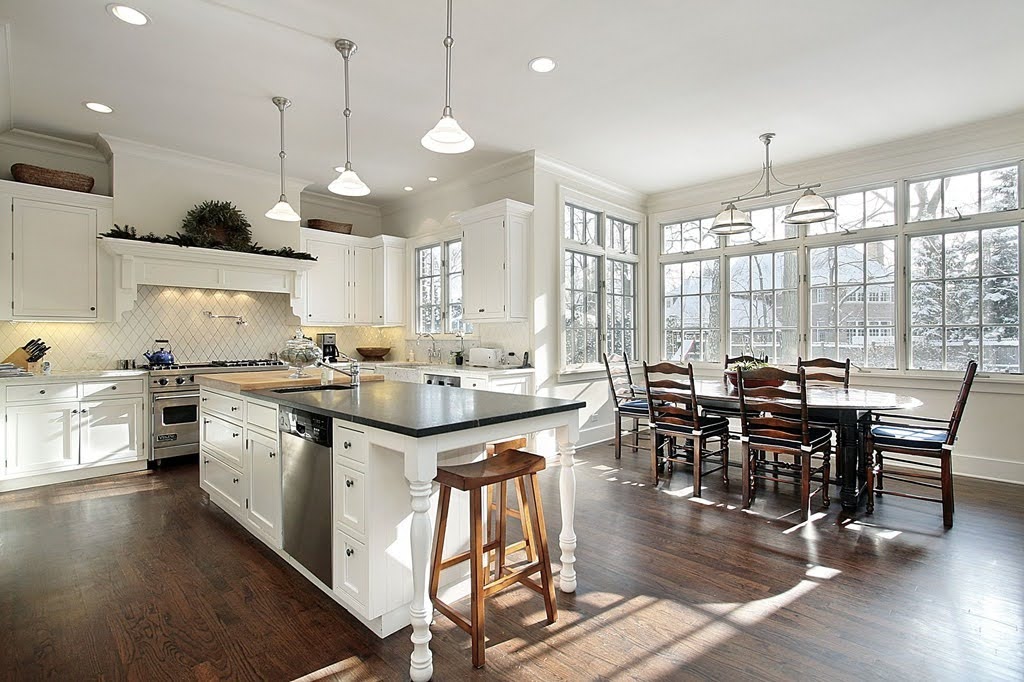
Hardwood flooring adds warmth, character, and long-term value to homes throughout Rural Hall, NC. However, the Piedmont region’s seasonal humidity changes can take a toll on hardwood floors if they aren’t properly maintained. Issues like gaps between boards, cupping, and squeaks are common concerns for homeowners who aren’t prepared for how wood responds to moisture.
At Professional Carpet Systems, we help Rural Hall homeowners protect their hardwood flooring through smart maintenance practices tailored to local climate conditions. Following a seasonal humidity checklist can significantly reduce common problems and keep your floors looking and performing their best year-round.
Why Seasonal Humidity Affects Hardwood Floors in Rural Hall
Hardwood is a natural material that expands and contracts as humidity levels rise and fall. In the Triad area, humid summers and drier winters create movement in wood flooring that can lead to visible and audible changes.
Common humidity-related issues include:
Gaps forming during dry winter months
Cupping or swelling during humid summer conditions
Squeaks caused by movement between boards or against the subfloor
These changes don’t necessarily indicate a problem with your hardwood flooring. In most cases, they reflect normal wood behavior that can be managed with proper care and humidity control.
Spring Maintenance Checklist: Preparing for Rising Humidity
As temperatures warm and humidity increases, hardwood floors begin to absorb moisture from the air. Spring is the ideal time to prepare your floors for these changes.
Spring maintenance tips include:
Check indoor humidity levels and aim for consistent conditions
Inspect floors for early signs of cupping or edge swelling
Clean floors using hardwood-approved cleaners only
Ensure crawl spaces and basements are properly ventilated
Maintaining steady indoor conditions helps prevent excessive expansion as humidity rises.
Summer Maintenance Checklist: Managing Peak Humidity
Summer is when Rural Hall homes experience the highest humidity levels. During this season, hardwood flooring is most prone to expansion and cupping if moisture isn’t controlled.
Summer care best practices:
Use air conditioning or dehumidifiers to regulate indoor humidity
Wipe up spills immediately to prevent surface moisture absorption
Avoid wet mopping or excess water during cleaning
Watch for changes near exterior doors and windows where moisture enters
If you notice persistent cupping or swelling, professional evaluation may be needed to identify moisture sources beneath the floor.
Fall Maintenance Checklist: Transitioning Into Drier Conditions
As temperatures cool, indoor humidity levels begin to drop. Fall is the time to prepare hardwood floors for the drier months ahead.
Helpful fall maintenance steps:
Gradually adjust indoor humidity rather than making sudden changes
Clean floors thoroughly to remove grit that can cause wear
Inspect expansion gaps along walls and trim
Schedule professional inspections if issues developed during summer
Addressing minor concerns in fall can prevent more noticeable gaps during winter.
Winter Maintenance Checklist: Preventing Gaps and Squeaks
Winter is when hardwood floors are most likely to shrink due to dry indoor air from heating systems. This shrinkage can lead to visible gaps and increased noise.
Winter hardwood care tips:
Use a humidifier to maintain consistent indoor humidity
Avoid dragging furniture, which can stress boards during dry conditions
Place felt pads under furniture legs
Accept minor gaps as a normal seasonal occurrence
Consistent humidity control is the most effective way to minimize winter-related hardwood issues.
Cleaning Habits That Support Long-Term Hardwood Performance
Proper cleaning plays an important role in hardwood floor maintenance, especially in homes dealing with seasonal humidity changes.
Best cleaning practices include:
Sweeping or vacuuming regularly to remove dirt and grit
Using manufacturer-approved hardwood cleaners
Avoiding steam cleaners or excessive moisture
Drying floors promptly after cleaning
These habits help protect the finish and reduce moisture exposure that can worsen seasonal movement.
When to Consider Professional Help
While seasonal movement is normal, some signs indicate it may be time to consult a professional. Persistent cupping, widespread gaps, or ongoing squeaks can point to moisture imbalances or subfloor concerns.
Professional Carpet Systems offers professional flooring services to evaluate hardwood flooring issues and recommend solutions that fit Rural Hall homes. In some cases, refinishing or repairs may restore performance. In others, replacement or alternative flooring options may be more practical.
For rooms where moisture exposure is constant, such as bathrooms or laundry areas, homeowners sometimes transition to waterproof flooring options or luxury vinyl flooring while keeping hardwood in main living spaces.
Protecting Your Investment With Smart Flooring Choices
Maintenance starts with selecting the right hardwood flooring for your home. Engineered hardwood often performs better in homes with fluctuating humidity, while solid hardwood may require stricter climate control.
If you’re planning to upgrade or replace floors, exploring hardwood flooring options with local experts helps ensure your investment is well suited for Piedmont conditions.
Get Expert Hardwood Flooring Support in Rural Hall, NC
Hardwood floors can last for decades when properly cared for, even in a climate with seasonal humidity changes. Professional Carpet Systems helps homeowners throughout Rural Hall protect their floors with practical guidance, professional evaluations, and long-term solutions.
If you have concerns about your hardwood floors or want expert advice on maintenance and upgrades, you can request a free flooring estimate, contact Professional Carpet Systems to speak with a flooring specialist, or visit our Rural Hall showroom to explore flooring solutions designed for local living. Our team is here to help your hardwood floors look great and perform reliably in every season.


